

Understanding Your Training Goals
Selecting the right shooting targets begins with understanding the purpose of your training. Different targets are designed to help shooters develop specific skills. If your objective is to improve precision and consistency, you should choose a target that allows you to accurately measure shot placement. Defining your goals before heading to the range ensures that every practice session is focused and productive.
Bullseye Targets for Accuracy Training
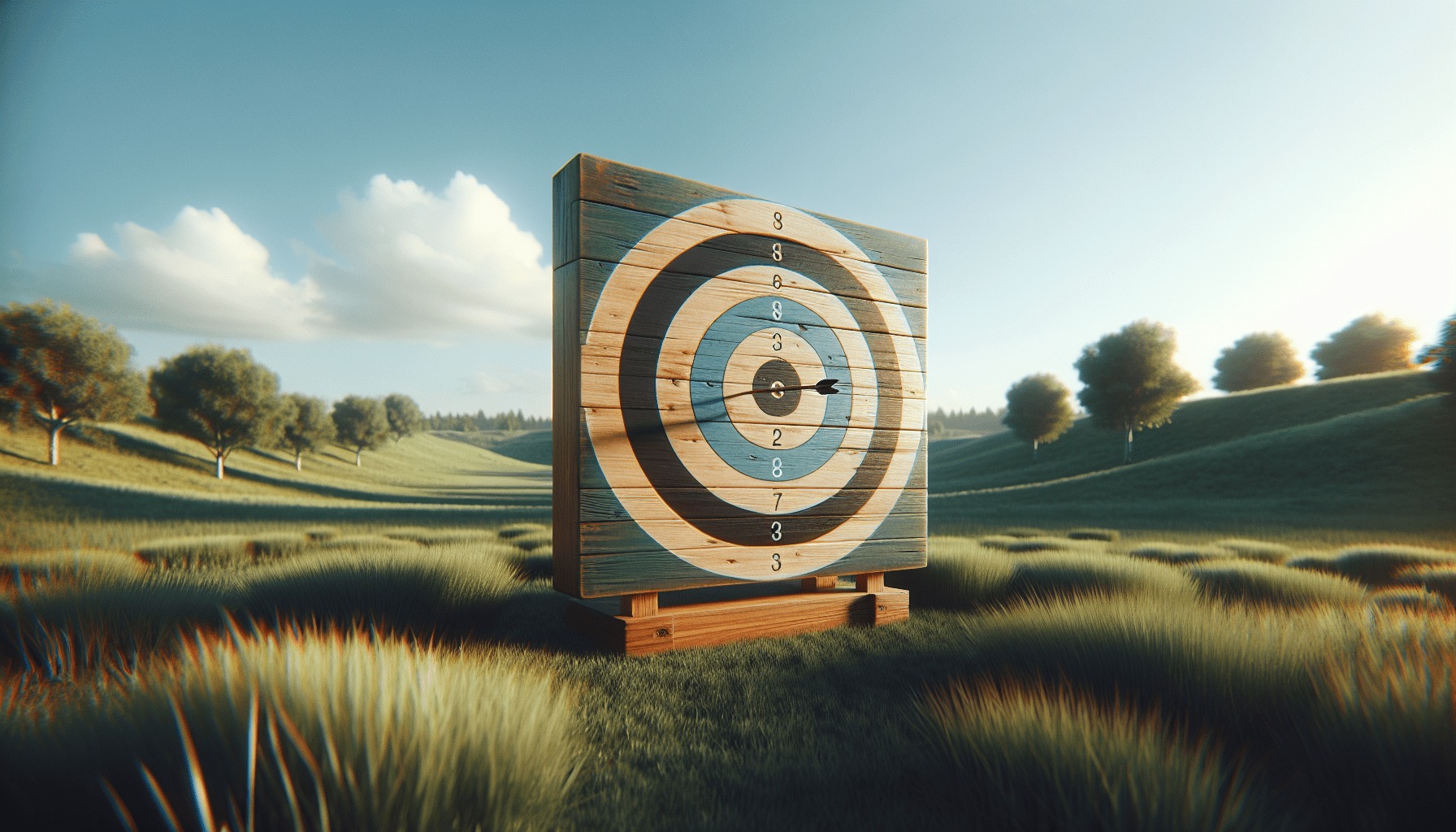
Bullseye targets remain one of the most popular choices for shooters focused on accuracy. Featuring concentric scoring rings, these targets make it easy to evaluate shot groups and monitor improvement over time. They are especially useful for beginners learning the fundamentals of sight alignment and trigger control, as well as experienced shooters seeking to refine their precision.
Benefits of Reactive Targets
Reactive targets provide immediate feedback when struck, making practice sessions more engaging and informative. These targets may change color, move, or produce a sound upon impact, helping shooters instantly identify successful hits. Immediate feedback can reduce downtime and allow for faster adjustments, making reactive targets a valuable option for skill development.
Matching Targets to the Shooting Environment
The shooting environment plays a major role in determining which targets are suitable. Indoor ranges often require paper targets due to safety and facility regulations. Outdoor ranges may allow a wider variety of options, including cardboard and metal targets. Always check range rules before selecting a target to ensure compliance and maintain a safe shooting experience.
Choosing the Right Target Size
Target size should match the shooter’s skill level and training objectives. Larger targets are ideal for beginners because they build confidence and help reinforce proper technique. As skills improve, smaller targets can introduce a greater challenge and encourage more precise shot placement. Selecting the appropriate size ensures that practice remains both effective and motivating.
Considering Target Durability
Durability is an important factor for shooters who train regularly. Some targets are designed for single-use sessions, while others can withstand repeated impacts. Reusable targets may offer better long-term value for frequent practice, reducing replacement costs and minimizing setup time. Evaluating durability can help shooters choose a target that fits both their needs and budget.
Balancing Performance and Cost
Budget considerations should also influence target selection. While advanced targets can provide enhanced feedback and additional training benefits, simple paper targets often deliver excellent results at a much lower cost. Shooters should focus on choosing targets that support their goals rather than assuming that more expensive options automatically lead to better performance.
Using Silhouette Targets for Practical Training
Silhouette targets are commonly used in practical shooting exercises because they help shooters practice target acquisition and shot placement. These targets often feature designated scoring zones that encourage both speed and accuracy. They can be particularly useful for individuals seeking a more realistic training experience while still maintaining a structured approach to practice.
Importance of Target Visibility
A target that is difficult to see can negatively affect training effectiveness. High-contrast designs, bold markings, and clearly visible scoring areas make it easier for shooters to evaluate their performance. Good visibility is especially important when shooting at longer distances or under varying lighting conditions, where small details can become difficult to distinguish.
Exploring Modern Target Technology
Technological advancements have introduced electronic and digital target systems that offer detailed performance tracking. These systems can record shot placement, provide instant scoring, and generate useful training data. Although they often require a larger investment, they can be valuable tools for competitive shooters and enthusiasts who want deeper insights into their performance.
Conclusion
Choosing the ideal shooting target involves considering multiple factors, including training goals, skill level, environment, durability, visibility, and budget. No single target is perfect for every situation, which is why many shooters use a variety of target types throughout their training. By selecting targets that align with specific objectives, shooters can maximize practice efficiency, track progress more effectively, and enjoy a more rewarding experience at the range.
