
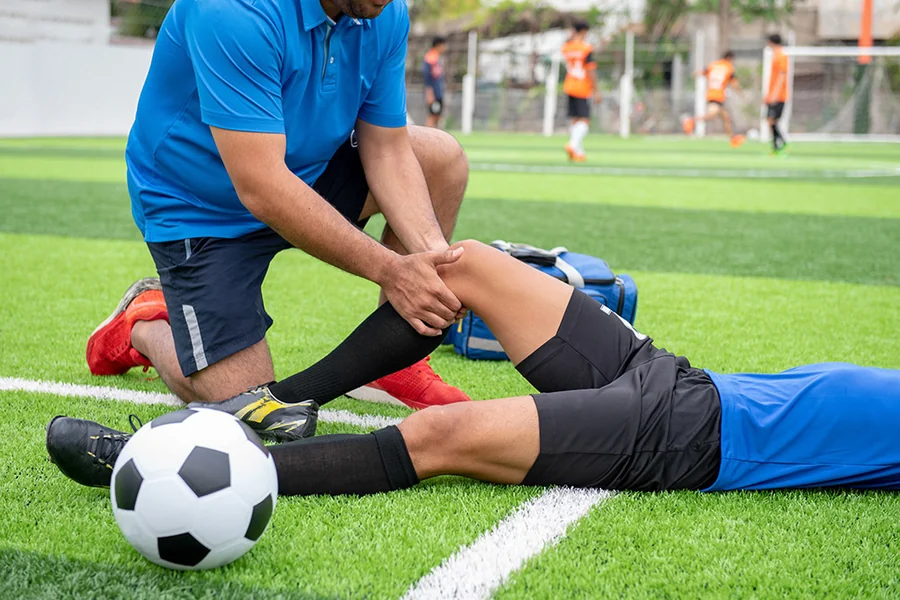
Sports injuries are a common occurrence among athletes of all levels, from recreational participants to elite professionals. Whether it is a sprained ankle, torn ligament, muscle strain, or fractured bone, injuries can disrupt training schedules, affect performance, and impact an athlete’s physical and mental well-being. While sustaining an injury can be frustrating, the recovery process is equally important as the initial treatment. Proper rehabilitation helps athletes regain strength, restore mobility, and reduce the risk of future injuries. Understanding the key stages of recovery can help individuals return to their sport safely and confidently.
Understanding Sports Injuries
Sports injuries can occur due to accidents, overuse, poor technique, inadequate warm-ups, or excessive physical demands. Acute injuries happen suddenly and include fractures, dislocations, and ligament tears. Chronic injuries develop gradually over time due to repetitive stress on muscles, tendons, or joints. Regardless of the type of injury, prompt diagnosis is essential to determine the severity of the condition and establish an effective treatment plan.
Healthcare professionals such as sports physicians, physiotherapists, and orthopedic specialists use physical examinations and imaging techniques to assess injuries. Accurate diagnosis ensures that athletes receive appropriate care and avoid complications caused by delayed or incorrect treatment.
The Importance of Immediate Care
The first few hours after an injury are critical for minimizing damage and promoting recovery. Immediate care often follows the RICE method, which stands for Rest, Ice, Compression, and Elevation. Rest helps prevent further injury, while ice reduces pain and swelling. Compression supports the injured area and helps control inflammation, and elevation encourages fluid drainage from the affected region.
Seeking medical attention is important when symptoms are severe or persistent. Ignoring pain or attempting to continue playing can worsen the injury and extend recovery time. Early intervention allows healthcare providers to recommend the most effective treatment strategies and rehabilitation plans.
The Role of Physiotherapy in Recovery
Physiotherapy is one of the most important components of sports injury rehabilitation. After the initial healing phase, athletes need structured exercises to restore movement, flexibility, strength, and coordination. Physiotherapists develop personalized programs based on the athlete’s injury, fitness level, and recovery goals.
Treatment may include stretching exercises, strengthening routines, balance training, manual therapy, and mobility exercises. Professional mobile physiotherapy has become increasingly popular among athletes, as it enables rehabilitation specialists to provide personalized treatment and recovery programs at the athlete’s home, training ground, or competition venue. This approach improves convenience and helps athletes remain consistent with their recovery plans. By receiving professional guidance throughout the rehabilitation process, athletes can recover more effectively and safely return to their sport.
Restoring Strength and Mobility
One of the primary goals of rehabilitation is to restore the strength and mobility lost during the injury period. Muscles can weaken quickly when they are not used regularly, while joints may become stiff and less flexible. Carefully designed exercise programs help rebuild muscle mass and improve range of motion without placing excessive stress on the healing tissues.
Progressive resistance training is often used to gradually increase strength. At the same time, flexibility exercises improve joint movement and reduce stiffness. Athletes should follow professional guidance to ensure that exercises are performed correctly and at an appropriate intensity. Attempting to progress too quickly can lead to setbacks and reinjury.
Nutrition and Recovery
Proper nutrition plays a vital role in the healing process. The body requires sufficient nutrients to repair damaged tissues, support immune function, and maintain overall health during recovery. Protein is especially important because it helps rebuild muscles and other body tissues. Vitamins and minerals, such as vitamin C, vitamin D, calcium, and zinc, also contribute to tissue repair and bone health.
Athletes should focus on consuming a balanced diet that includes lean proteins, fruits, vegetables, whole grains, and healthy fats. Adequate hydration is equally important because water supports circulation and nutrient delivery throughout the body. Good nutritional habits can significantly enhance recovery outcomes and improve overall well-being.
Managing the Mental Challenges of Recovery
Recovering from a sports injury can be emotionally challenging. Many athletes experience frustration, anxiety, sadness, or loss of confidence when they are unable to participate in their sport. Long recovery periods may create concerns about future performance, team selection, or career progression.
Maintaining a positive mindset is an important part of rehabilitation. Setting realistic recovery goals and celebrating small improvements can help athletes stay motivated. Support from coaches, teammates, family members, and healthcare professionals can also reduce feelings of isolation. In some cases, sports psychologists may provide valuable strategies for managing stress and maintaining mental resilience throughout the recovery journey.
Returning to Sport Safely
One of the biggest mistakes athletes make is returning to sports too soon. Although pain may decrease before complete healing occurs, the injured area may still be vulnerable to further damage. Returning prematurely can increase the likelihood of reinjury and prolong the overall recovery process.
Before resuming sports activities, athletes should meet specific recovery milestones. These may include regaining full strength, restoring normal movement patterns, and demonstrating the ability to perform sport-specific activities without pain. Medical professionals and physiotherapists can conduct assessments to determine whether an athlete is ready to return safely. A gradual return-to-play program allows individuals to rebuild confidence and fitness while minimizing risks.
Preventing Future Injuries
Recovery should not end when an athlete returns to competition. Injury prevention strategies are essential for maintaining long-term health and performance. Proper warm-up routines prepare the body for physical activity by increasing blood flow and flexibility. Strength training improves muscular support around joints, while balance and coordination exercises enhance movement control.
Athletes should also pay attention to adequate rest and recovery between training sessions. Overtraining increases fatigue and injury risk, making recovery periods an essential component of athletic performance. Regular medical checkups and ongoing physiotherapy support can help identify potential issues before they develop into serious injuries.
Conclusion
Recovering after a sports injury requires patience, commitment, and a structured rehabilitation approach. From immediate care and physiotherapy to nutrition, mental health support, and gradual return-to-play strategies, every stage of recovery contributes to successful healing. Athletes who prioritize proper rehabilitation are more likely to regain their previous level of performance and reduce the risk of future injuries. By following professional guidance and adopting healthy recovery habits, individuals can return to the activities they love with greater strength, confidence, and resilience.
