

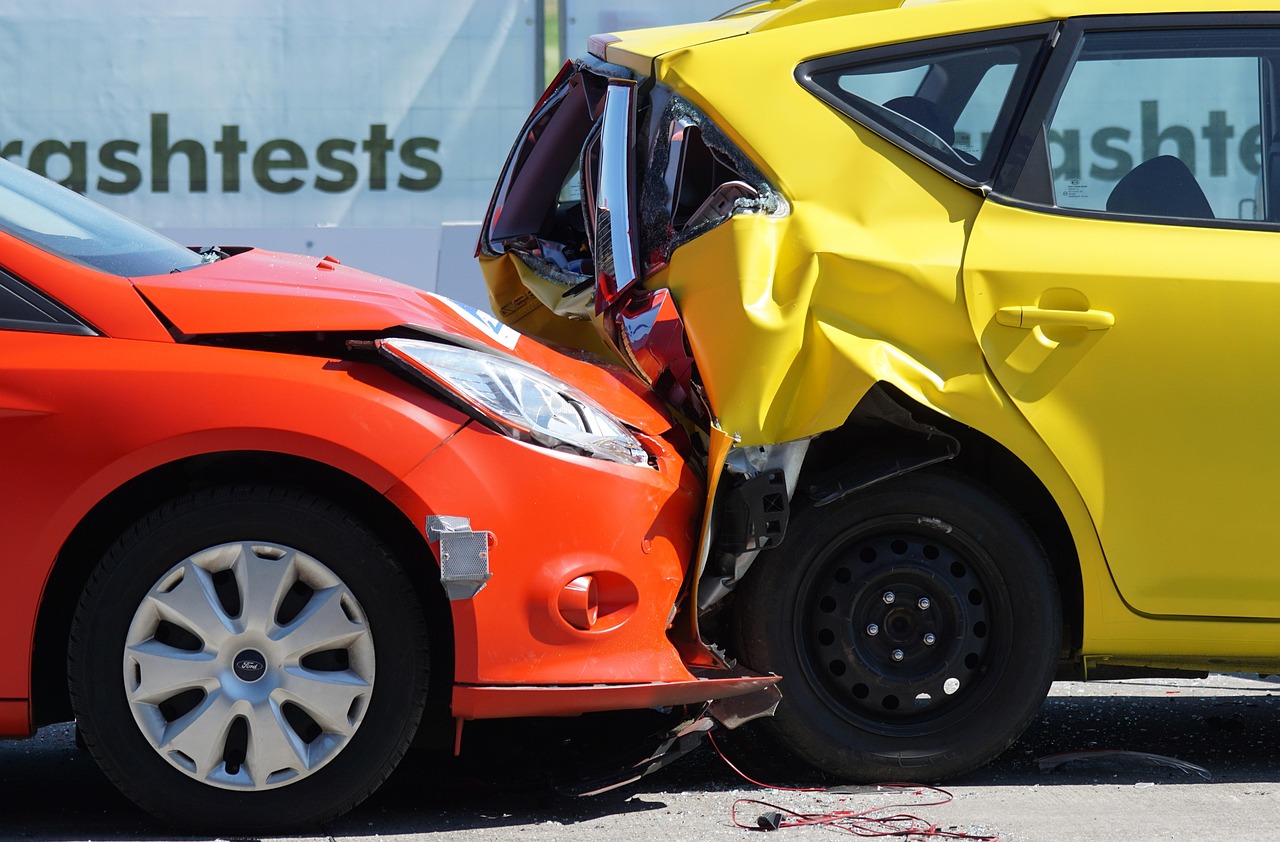
A rear-ender might happen before you have a chance to respond. Think about it. You’re stopping for a red light on Broad Street. Then boom! Someone hit you from behind. Your day transforms in seconds. Your car could be damaged, your neck could be sore, and you might question who will pay. Generally, the person who rear-ends another car is liable in Richmond, Virginia. But that’s not usually the whole story. What happened in the crash matters. There can be more than one person to blame. Knowing how fault works can help you preserve your rights following a rear-end collision.
Is the Rear Driver Always Wrong?
A lot of rear-end incidents happen when a driver is tailgating or when they can’t stop in time. Drivers need to be aware of traffic and provide space to stop safely. If you don’t, it could crash. For example, a driver checking a phone may fail to see traffic slowing ahead. When they do look up, the automobile in front may be too close to avoid. That driver may be accountable for the injuries and damage suffered. But a rear-end collision alone does not prove negligence. Investigators and insurers examine what each driver did before the crash. They may analyze witness statements, car damage, photos and other documentation.
Common Causes of Rear-End Collisions in Richmond
Rear-end collisions can occur on busy metropolitan streets, highways, and even quiet neighborhood lanes. Some are caused by irresponsible driving, some by sudden changes on the road. Common causes are:
- Tailgating: A driver who follows too closely and is unable to stop in time.
- Distracted driving: A driver glances at a phone, screen or other distraction.
- Speeding: When a driver is driving too quickly for the traffic or road conditions.
- Sudden braking: The driver brakes with no apparent reason or warning.
- Bad weather: Rain or wet roads make stopping more difficult.
- Brake or tire issues: Lack of proper vehicle maintenance may prohibit a safe stop.
- Unsafe lane change: A driver turns in front of another vehicle with minimal room.
These considerations may assist explain how an accident occurred. The essential issue is whether the driver’s behavior was in breach of a safety rule or demonstrated a lack of reasonable care.
When Can The Front Driver Be Held Liable?
The driver ahead may also cause a rear-end collision. For example, a driver may back up unexpectedly without notice, change lanes in a dangerous manner, or stop abruptly in a way that presents a hazard. Non-working brake lights can also matter. Where a driver knew about a defective brake light and did not repair it, that fact can be relevant to the determination of fault. But a rapid halt does not inevitably place the front driver at fault. Expect traffic to slow down near lights, crossings and road maintenance. The back motorist still has an obligation to watch the road and keep a safe gap. Each instance has to be looked at closely. Photos, witness accounts, vehicle damage and any video that is available can all aid to show what happened.
What if More Than One Driver Caused the Accident?
In some crashes, both drivers do something wrong. One might cut in without leaving enough room . Another might be a tailgate . Both activities could have contributed to the crash. Virginia has a harsh contributory negligence doctrine. Simply put, most negligence cases may preclude an injured person from claiming damages if he or she is determined to be somewhat at fault. There may be limited exclusions. This rule makes fault disputes a severe matter. Even if you were rear-ended by another vehicle, an insurance company may try to put some of the blame for the accident on you. Don’t assume that the insurer is correct. Whether the claim is well founded can be shown by a detailed analysis of the evidence. Be honest in your account and don’t guess at information you can’t remember.
What evidence can help establish fault?
Useful evidence can help explain what happened before the impact in a rear-end crash. Gather information at the scene, if it is safe to do so. If you are harmed, get medical help immediately. Try to retain the following:
- Photos of the crash scene, vehicle damage and road markings
- Witness names and contact information.
- The police crash report, if available.
- Dash cam footage or video from surrounding cameras.
- Medical data and expenses relating to your injuries.
- Proof of lost wages and estimates of repairs.
The police report can include testimonies from the drivers, road conditions, any ticket given. It can be used to back up a claim but it does not determine who is at fault. Make copies of messages with insurers and other drivers. Keep any specifics of the crash off social media while your claim is live. A small post could be taken out of context and used to doubt your account.
What Injuries Can Be Sustained from a Rear-End Collision?
Pain can result after a crash even at moderate speed. The rapid force could strain your neck and back or create other injuries. Common injuries are whiplash, muscle strains, back pain, head injuries and fractures. Some persons also suffer spinal cord damage in the event of catastrophic crashes. There may be no symptoms at first. Seek medical care if you experience discomfort, dizziness, numbness, or any other new symptoms. Tell your provider you were in an automobile accident. Follow the care plan and make notes of each visit. These documents can help prove the link between the crash and your injuries. They may also record your need for therapy and time away from work.
Who is Paying for Your Losses?
If another driver’s negligence causes a crash, their insurance may pay for qualifying losses. These can include medical fees, lost pay, car repairs and pain and suffering. Depends upon the circumstances, the proof and the legislation. Evidence supporting it may also be relevant to future medical treatment or loss of earning capacity. Beware of early settlement proposals. What you’re offered before you know the full extent of your injury may not be enough for future bills. Read any release before you sign it because it could limit your ability to seek additional money .
How a Richmond Car Accident Attorney Can Help
Rear-end claims might be complicated by disputes between drivers or insurers as to what transpired or as to injuries. An attorney can evaluate the evidence, interview witnesses, and conduct negotiations with the insurance company. Price Benowitz Accident Accident Lawyers, LLP is a Richmond, VA based law firm handling motor vehicle accident matters involving cars, trucks, motorcycles, bicycles, buses and pedestrians. The business also handles catastrophic injury cases like burns and spinal cord damage. A Richmond Car Accident Lawyer can assist you comprehend your legal choices, explain Virginia’s laws of fault, and evaluate your claim. Legal guidance might be particularly helpful if you experienced enduring harm or if the insurer feels you share culpability. In Virginia, you usually have two years to file a personal injury case. Claims against government bodies may have unique notice rules and exceptions may apply. Early advice can help to preserve evidence and avoid missed deadlines.
FAQs
1. In a rear-end collision is the driver in the back always at fault?
Short Answer: No. The back driver is often to blame, but the circumstances will establish responsibility.
Detailed answer: A rear driver is liable for tailgating, speeding or inattentiveness. Sometimes, the front driver can be partly to blame, such as an unsafe reverse or lane change. Evidence helps to explain what happened.
2. If I was rear-ended at a red light, can I claim for compensation?
Short answer: Yes, if another driver’s actions caused your injuries and losses, you can seek compensation.
Detailed answer: Photos, witness testimony, medical records and a police report can help substantiate your claim. Virginia has tough culpability laws, so looking at the data can help fight any accusation that you are to blame.
3. What to do following a Richmond rear-end accident?
Short answer: Get medical attention. File a crash report if required. Preserve evidence.
Detailed answer:If it’s safe, take photos, swap driver and insurance details, and get witness contact details. Document your treatment, missed work and repair expenses. Don’t speculate on fault when talking to insurance.
4. What if the other driver claims I stopped too suddenly?
Short answer: You are not inevitably at fault for a sudden stop.
Detailed answer: Drivers must watch the traffic and leave enough room to stop. It matters why you stopped. It matters what the road was like. It matters what the other driver did. Photos, video and witness statements could assist settle the disagreement.
5. What is the statute of limitations for a rear-end accident case in Virginia?
Short answer: The standard timeframe for filing a personal injury lawsuit is two years from the date of the injury.
Detailed answer: Some cases are subject to different rules and claims involving government bodies may require earlier notice. You should see a lawyer as soon as possible to find out whether time limits apply to your case.
